
Learning how circuits work often begins as a solo activity on a bedroom desk. Bringing that experience into a classroom changes the dynamic completely. Starting an electronics club at school creates a collaborative environment where students solve physical hardware problems together. You transition from following a single diagram alone to Continue Reading
Lesson Plans
Testing Conductors vs Insulators on a Breadboard

When you build a circuit, you rely on jumper wires to move power from the battery to your components. The metal inside the wire allows the energy to pass, while the plastic outside blocks the energy from shocking your fingers. This basic relationship forms the foundation of all electronics. Testing Continue Reading
Build an Electronic Coin Flipper

Flipping a coin settles arguments and starts board games. Replacing a physical quarter with a flashing circuit brings that simple action to your desktop. You build an electronic coin flipper to practice digital logic and multiple outputs. You press a single button, and the board randomly lands on a green Continue Reading
How an AM Radio Works: A Beginner Electronics Guide
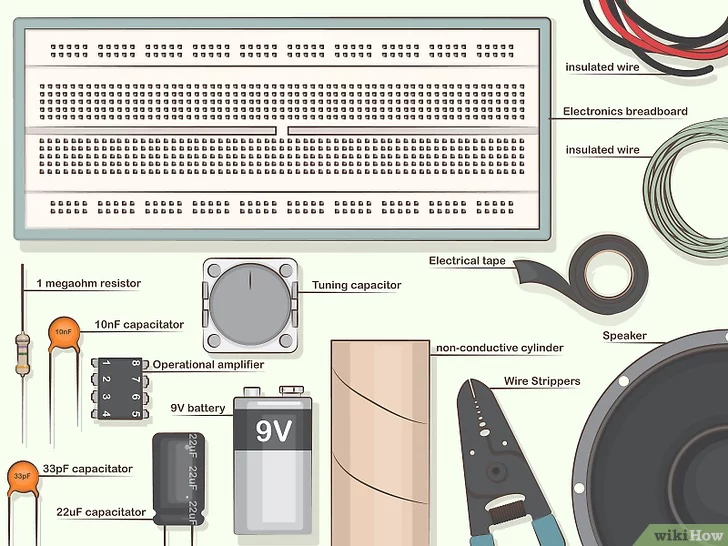
Building an AM radio is a classic beginner project that feels like magic. You pull invisible signals out of thin air and turn them into voices and music. AM stands for Amplitude Modulation. This old technology provides one of the clearest ways to learn how electricity carries information across long Continue Reading
A Practical Mouse Jiggler Lesson Plan for Beginners
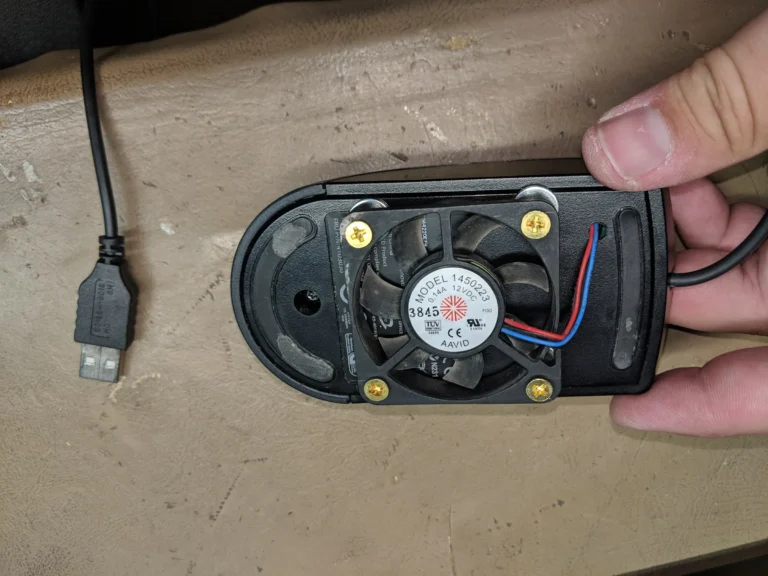
Teaching students how to write code often lacks a direct, physical connection. A mouse jiggler lesson plan fixes this problem by bridging the gap between a physical breadboard and a computer screen. A hardware mouse jiggler is a small USB device that sends tiny, automated movement signals to a computer, Continue Reading
Beginner Electronics Actuator Lesson Plan
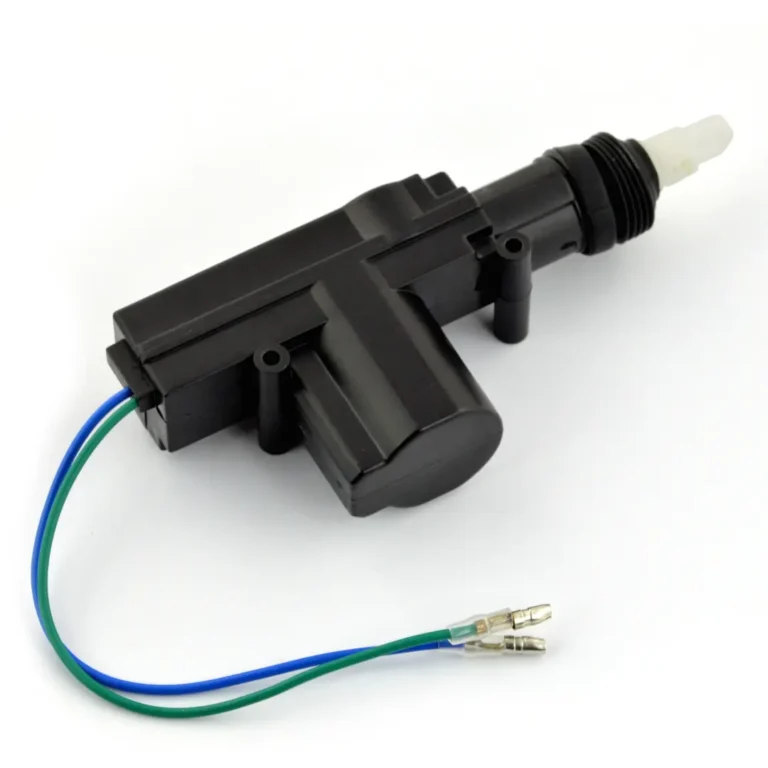
Teaching electronics starts by making invisible concepts visible. A strong actuator lesson plan bridges the gap between raw voltage and physical action. You show learners exactly how an electrical signal leaves a microcontroller and does real work on the desk. You stop talking about abstract current flow and start making Continue Reading
How to Start Learning Electronics at Home
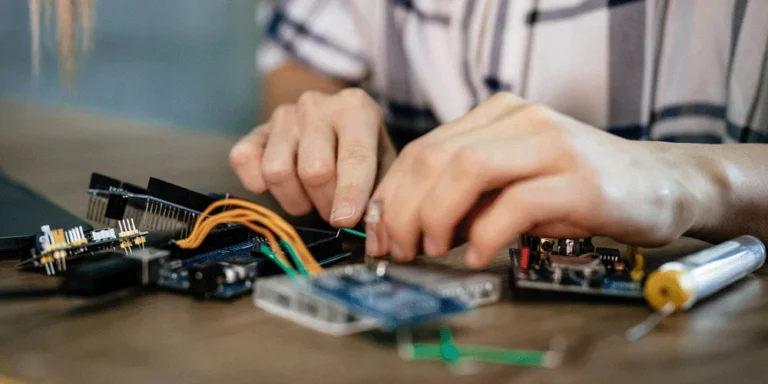
Many people look at a green circuit board and see an impossible puzzle. You might think you need a formal degree to build a working device. The truth is much more direct. Learning electronics starts by breaking large ideas down into small, repeatable steps right on your desk. You skip Continue Reading
How to Troubleshoot a Circuit Step by Step
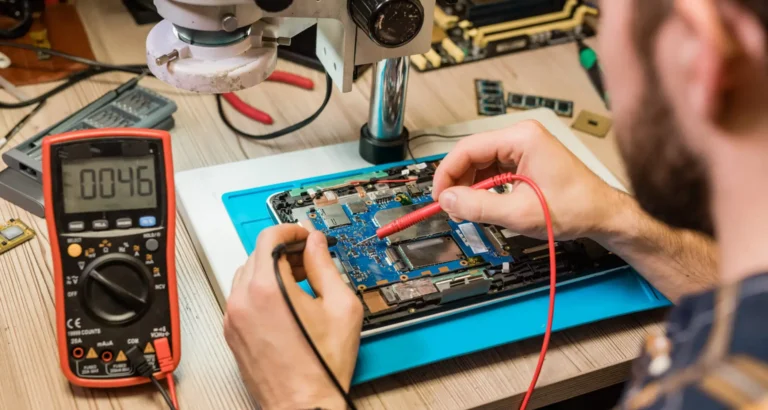
Building an electronics project is only the first half of the learning process. The second half, and often the most valuable part, happens when the circuit does not work on the first try. Knowing how to troubleshoot a circuit step by step transforms a frustrating moment into a clear, logical Continue Reading
The Complete Beginner Electronics Learning Path
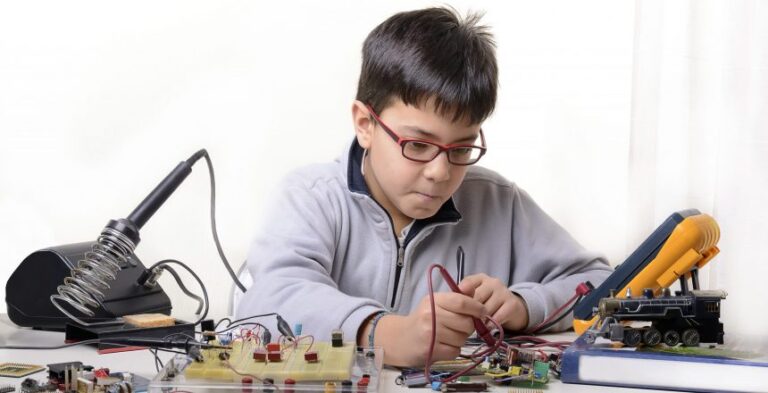
One of the hardest parts of electronics learning is not the parts themselves. It is the order. Beginners rarely struggle because a resistor is too complicated or a breadboard is too advanced. They struggle because they are introduced to too many things at once, with no clear sense of what Continue Reading
Learn Multimeters with a Simple Project: Testing Batteries and LEDs
Multimeters are one of the most useful tools you can add to your electronics toolkit. They help you measure voltage, current, and resistance so you can troubleshoot circuits, check components, and build confidence in your skills. If you’re just starting out, though, a multimeter can feel a bit intimidating — Continue Reading