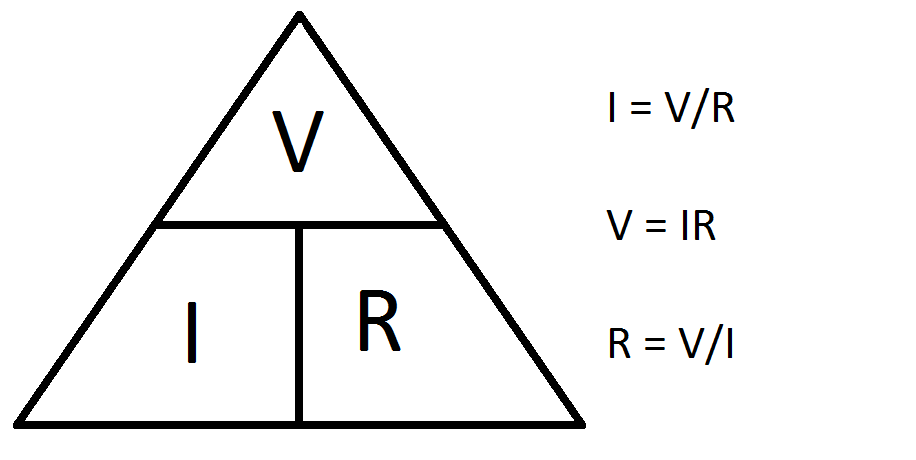
What Is Ohm’s Law? Ohm’s Law is one of the first ideas every electronics beginner should understand because it explains the relationship between voltage, current, and resistance in a circuit. In its most common form, the equation is V = I × R, which means voltage equals current multiplied by resistance. That simple relationship helps you predict how much current will flow, how much resistance you need, and why some components heat up or fail when a circuit is designed the wrong way.
For beginners, Ohm’s Law is not just a formula to memorize. It is the rule that helps make sense of nearly every project, from a basic LED on a breadboard to a sensor build or buzzer alarm. Stamps in Class already introduces readers to resistors, breadboards, and simple builds, and this topic fits naturally into that learning path because understanding Ohm’s Law makes every one of those projects easier to wire, test, and troubleshoot.
The Simple Relationship Between Voltage, Current, and Resistance
To understand Ohm’s Law, it helps to define the three terms it connects. Voltage is the electrical push that moves charge through a circuit. Current is the flow of that charge. Resistance is what limits or opposes that flow. When you increase voltage while resistance stays the same, current rises. When you increase resistance while voltage stays the same, current drops. That is the core reason the formula matters in real circuit building.
This is why the same battery can behave very differently depending on the parts connected to it. A circuit with very little resistance can allow too much current to flow, which may damage components. A circuit with the right amount of resistance controls that current and keeps parts operating safely. That basic principle is why resistors are so important in beginner electronics and why Ohm’s Law shows up so often in project design.
The Formula You Will Use Most Often
The most common version of the equation is:
V = I × R
You can also rearrange it depending on what you need to find:
- I = V ÷ R
- R = V ÷ I
In beginner projects, the most practical use is usually finding current or choosing a resistor value. For example, if you know your power source voltage and the resistance in the circuit, you can estimate the current. If you know how much current a component should safely use, you can estimate what resistor value will help get you there.
Why Ohm’s Law Matters in Real Projects
Ohm’s Law matters because electronics is not just about connecting parts and hoping they work. It is about making sure each component gets the electrical conditions it needs. A resistor in front of an LED is a perfect example. Without enough resistance, too much current can flow and the LED may burn out. With the proper resistor, the current is limited and the circuit behaves the way you expect. That is a direct, everyday use of Ohm’s Law in beginner builds.
The same idea applies to sensors, buzzers, switches, and simple alarm circuits. When a project seems unreliable, too dim, too hot, or completely unresponsive, the issue often comes back to one of the three values in Ohm’s Law. The formula gives beginners a way to stop guessing and start checking whether the circuit makes sense on paper before changing wires on the breadboard. That is one reason a strong grasp of how power flows becomes more useful as projects get more advanced.
A Beginner Example Using Ohm’s Law
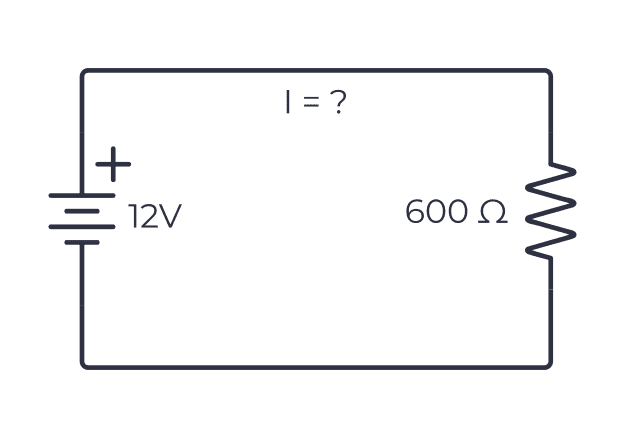
Imagine a simple circuit powered by a 9-volt battery with a 1,000-ohm resistor. If you want to estimate the current, you use:
I = V ÷ R
So:
I = 9 ÷ 1000 = 0.009 amps
That equals 9 milliamps, which is a current level often used in low-power beginner circuits. The point is not just the answer. The point is that Ohm’s Law gives you a predictable way to understand what your circuit will do before you build it.
Here is a quick reference table that matches the kind of practical learning beginners need:
| What You Know | What You Want to Find | Formula |
|---|---|---|
| Voltage and Resistance | Current | I = V ÷ R |
| Voltage and Current | Resistance | R = V ÷ I |
| Current and Resistance | Voltage | V = I × R |
Why Resistors Make More Sense Once You Know Ohm’s Law
Many beginners learn that a resistor “limits current,” but that idea becomes much clearer once Ohm’s Law is involved. A resistor is not just an extra part added to a circuit because a diagram says so. It is a component that helps set the current level based on the source voltage and the needs of the device in the circuit. That is why a solid understanding of resistor basics makes Ohm’s Law easier to use in practice.
This also explains why different projects need different resistor values. A breadboard LED circuit, a buzzer circuit, and a sensor input will not always use the same resistance because the parts and desired current levels are different. Once beginners see that the resistor value changes the current, circuit design starts to feel much less random.

Common Mistakes Beginners Make
One common mistake is assuming the power source alone determines whether a circuit is safe. In reality, the combination of voltage and resistance determines current flow. Another mistake is using a component without checking whether a resistor is required. That can lead to overheated parts, weak performance, or inconsistent test results. Ohm’s Law helps prevent those errors by giving you a simple check before powering on a build.
Beginners also sometimes confuse “more voltage” with “better performance.” In some circuits, raising voltage without adjusting resistance also raises current, and that can create problems instead of improvements. That is why Ohm’s Law is not just a school concept. It is a practical safety and design tool.
How Ohm’s Law Helps With Troubleshooting
When a circuit does not behave correctly, Ohm’s Law gives you a starting point for diagnosis. If an LED is too dim, you may have too much resistance or not enough voltage. If a part is getting hot, you may have too much current. If a circuit only works sometimes, your measured values may not match what the parts actually need. Instead of trial and error alone, the formula helps you compare expected behavior with real behavior.
That is especially helpful in beginner environments where projects are built on breadboards and parts are changed often. A learner who understands Ohm’s Law can make smarter decisions about swapping resistors, adjusting supply voltage, or checking whether the circuit path is correct.
Why This Formula Shows Up in Every Circuit Lesson
Ohm’s Law matters in nearly every electronics lesson because voltage, current, and resistance are present in nearly every basic circuit. Whether the project uses a simple resistor and LED, a buzzer output, or a sensor input on a microcontroller board, the same relationship still helps explain what is happening. It is one of the few formulas in beginner electronics that keeps paying off as projects become more interesting and more complex.
For that reason, Ohm’s Law is best treated as a tool rather than a fact to memorize once and forget. The more often beginners apply it, the more confident they become when building, testing, and improving their own circuits.
If you are just starting out, it also helps to compare this idea with a deeper beginner explanation from SparkFun’s Ohm’s Law guide, which walks through the same relationship with additional examples and visuals.
Final Thoughts
Ohm’s Law matters in every circuit because it explains one of the most important truths in electronics: circuit behavior is not random. When you understand how voltage, current, and resistance work together, you make better choices about power, resistor values, component safety, and troubleshooting. That is what turns a beginner from someone who only follows diagrams into someone who actually understands what the circuit is doing.
For students, hobbyists, and first-time builders, learning Ohm’s Law early creates a stronger foundation for everything that comes next.