Knowing where to find reliable components makes starting your electronics hobby much easier. You face a choice between massive online marketplaces, specialized hardware retailers, and local supply shops. Buying random parts from unverified sellers often leads to dead batteries, burnt LEDs, or missing instructions. You need a trusted source that provides exact parts with clear documentation.
Shopping for Hardware Online
Dedicated electronics retailers offer the best experience for new builders. Sites run by engineers and educators design their own hardware and write thorough tutorials for every piece they sell. You get exact specifications and tested code examples right on the product page. Reviewing a trusted electronics distributor directory helps you filter out low-quality vendors. This prevents the frustration of receiving parts that lack data sheets or wiring diagrams.
Massive online marketplaces offer lower prices, but they carry a high risk of counterfeit or poorly manufactured parts. You often receive items in unlabeled plastic bags with zero instructions. Sticking to recognized educational brands guarantees your hardware matches the lessons you follow online.
Visiting Local Electronic Supply Stores
Finding a local shop gives you immediate access to basic supplies. Hardware stores and hobby shops usually carry the bare minimum, like batteries, wire strippers, and soldering irons. Dedicated local electronics stores are rarer today, but they still exist in major cities and near universities.
Walking into a physical shop lets you inspect breadboards and jumper wires before purchasing them. You can ask the staff for direct recommendations on safe power supplies for your first projects. If you live near a surplus electronics warehouse, you can find heavy-duty switches and thick gauge wire. You must test these surplus items carefully with a multimeter before connecting them to a fragile microcontroller.
Choosing the Right Starter Box
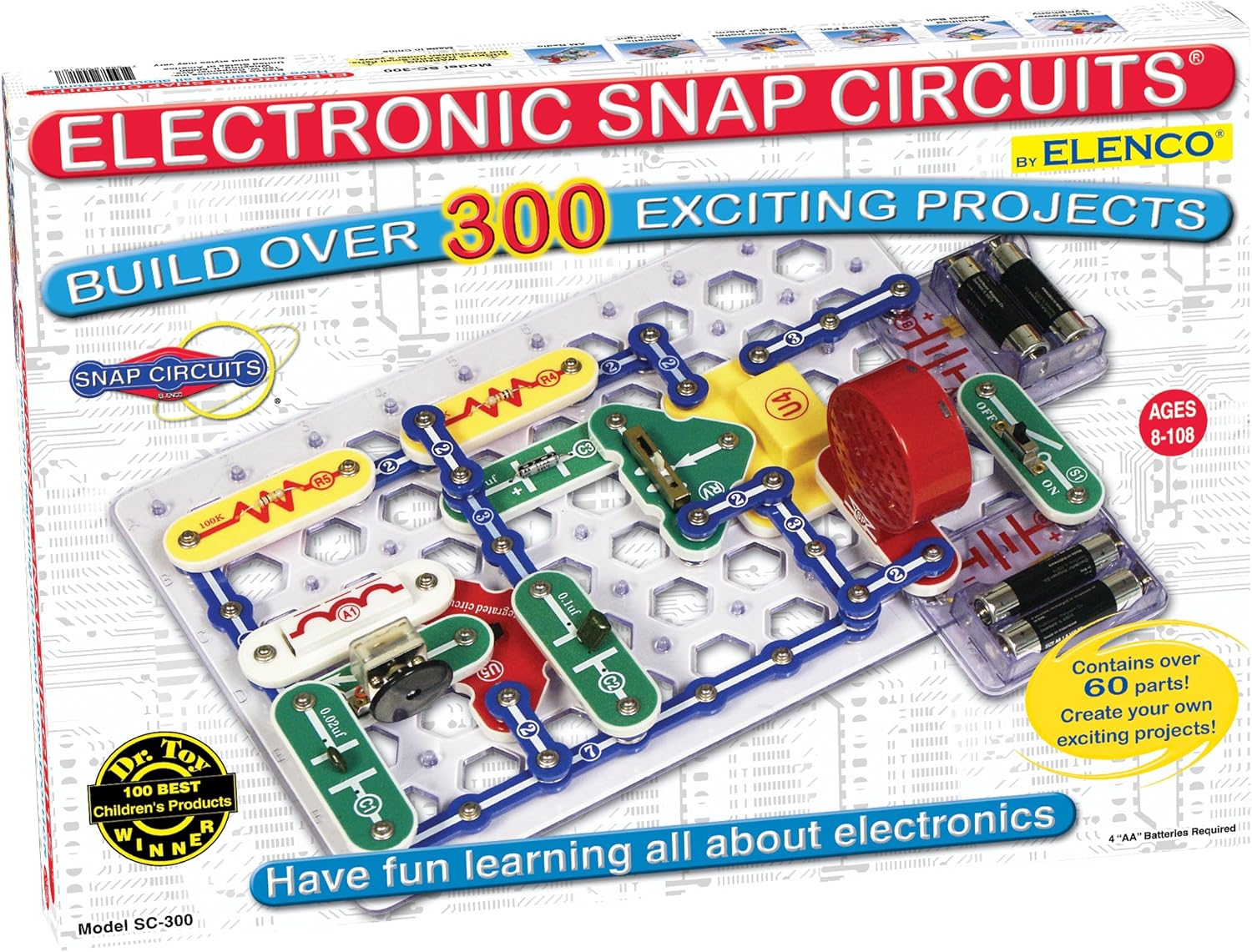
You save time and money by purchasing a curated starter box. Buying every resistor and sensor separately quickly becomes expensive. A curated box gives you exactly what you need to complete a series of specific lessons. This keeps your desk organized and stops you from buying components you lack the skills to use.
When you browse for hands-on kits and builds, read the parts list closely. A good box includes a microcontroller, a breadboard, jumper wires, basic LEDs, and sensors. It avoids throwing in overly complicated industrial parts that require heavy wall power. A well-packaged box includes a physical guidebook or a link to a structured online curriculum. You want a clear path from lighting a single bulb to programming a moving motor.
| Supplier Type | Best For | Typical Inventory |
| Dedicated Maker Sites | Guided learning and tutorials | Curated kits, microcontrollers, custom sensors |
| Local Hobby Shops | Emergency parts and basic tools | Wire, simple LEDs, soldering equipment |
| Online Marketplaces | Bulk ordering generic parts | Cheap resistors, replacement breadboards |
Identifying High-Quality Components
Cheap parts frequently fail right out of the box. A poorly made breadboard has loose metal clips that break your circuit connections. Low-quality jumper wires snap internally, hiding the break under the plastic insulation.
Spending a few extra dollars on hardware from recognized educational brands eliminates these physical failures. You spend your time fixing your code instead of fighting bad wiring. High-quality parts last through hundreds of different project rebuilds, making them a much smarter long-term investment for your workbench.