If you are learning electronics, you are not just building circuits.
You are building connected systems.
From Arduino boards and Raspberry Pi projects to Wi-Fi-enabled sensors and smart home prototypes, today’s beginner electronics projects are often connected to the internet. That connection opens exciting possibilities—but it also introduces real security risks.
Whether you are a student, hobbyist, or educator using microcontrollers in the classroom, understanding basic cybersecurity principles is now part of being a modern electronics builder.
Let’s break down why it matters.
The Shift From Simple Circuits to Connected Devices
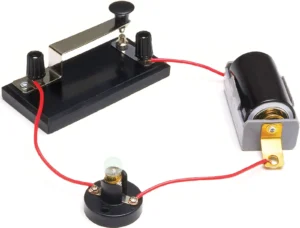
Not long ago, beginner electronics projects were simple:
- LED blink circuits
- Basic transistor switches
- 555 timer oscillators
- Breadboard motor controls
Today’s projects often include:
- IoT temperature monitors
- Wi-Fi security cameras
- Bluetooth robot cars
- Cloud-connected data loggers
- Smart home automation systems
The moment you connect your project to Wi-Fi, you move from isolated electronics into networked computing.
That means security matters.
What Can Go Wrong?
You might think, “It’s just a school project.” But unsecured devices can become:
- Entry points into home networks
- Targets for malware infections
- Botnet participants
- Data collectors without your knowledge
Many inexpensive development boards run stripped-down operating systems. If you download random libraries, connect to unknown networks, or ignore firmware updates, you increase your exposure.
Even your project computer can be vulnerable.
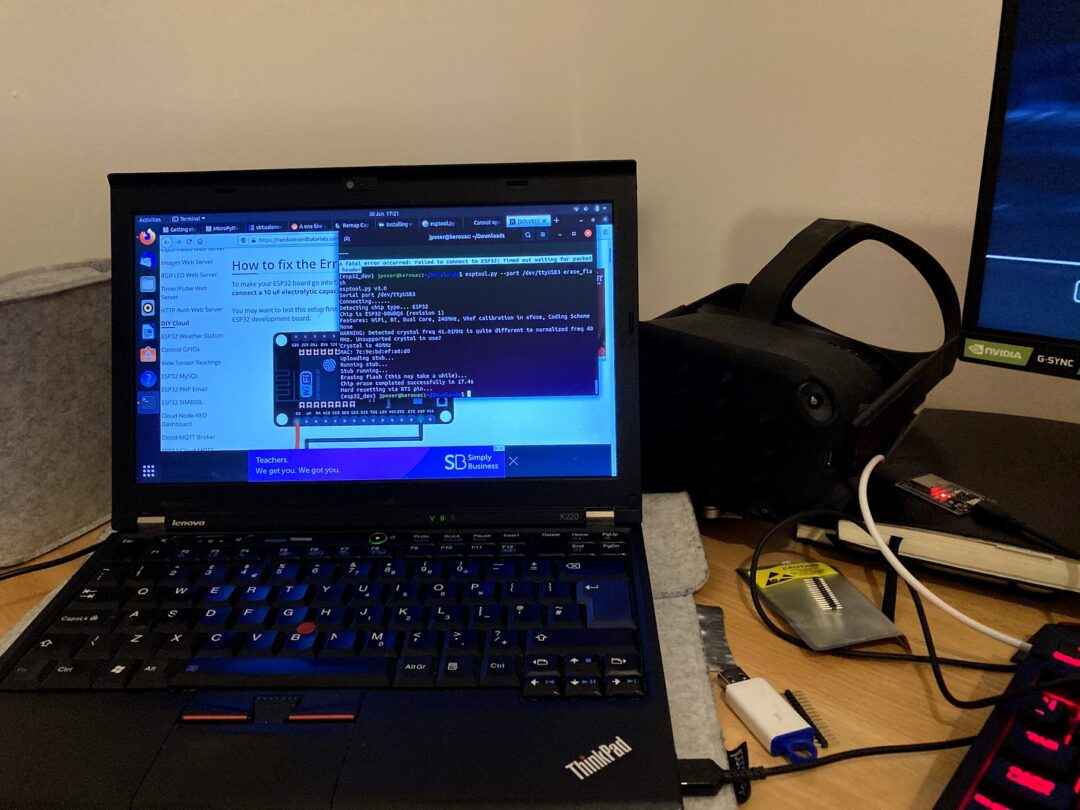
If your laptop is compromised, the firmware files, sketches, or code you upload to your microcontroller could be tampered with.
That is why basic system protection matters. Before installing toolchains, drivers, and firmware packages, it is smart to ensure your machine is clean and protected. Resources like BestAntivirusPro.org provide breakdowns of modern security software and what to look for when protecting development systems.
Electronics and cybersecurity now go hand-in-hand.
Real-World Example: The Insecure Smart Sensor
Imagine a student builds a Wi-Fi weather station using:
- ESP32
- Temperature and humidity sensor
- Cloud dashboard
The device transmits readings every 10 minutes.
If:
- Default passwords are left unchanged
- Ports are exposed
- Firmware isn’t updated
Someone could access the device remotely.
In more advanced scenarios, compromised IoT devices can be recruited into distributed denial-of-service (DDoS) attacks. Even small, hobby-level boards have been used in large botnets.
That may sound extreme—but it happens.
Learning secure habits early prevents bigger issues later.
Basic Cybersecurity Habits for Electronics Students
Here are simple best practices every beginner should follow:
1. Change Default Passwords
Always change default admin credentials on development boards and routers.
2. Keep Firmware Updated
Manufacturers release security patches. Apply them.
3. Download Libraries From Trusted Sources
Avoid unknown GitHub repositories without documentation or community validation.
4. Protect Your Development Computer
Install reliable antivirus and security tools to prevent malware from infecting your projects.
5. Secure Your Wi-Fi Network
Use WPA3 or WPA2 encryption. Avoid public Wi-Fi when uploading firmware.
These habits may seem small—but they build professional discipline.
Electronics Careers Demand Security Awareness
If you plan to pursue:
- Embedded systems engineering
- Robotics
- Industrial automation
- Consumer electronics design
- Automotive electronics
Cybersecurity is no longer optional knowledge.
Modern products must be secure by design. Engineers are expected to understand:
- Secure boot processes
- Encrypted communications
- Firmware integrity
- Network isolation
Even at the beginner level, thinking about security gives you an edge.
Classroom Considerations for Educators
If you are teaching electronics:
- Use secure classroom Wi-Fi networks
- Create isolated VLANs for IoT projects
- Avoid exposing devices to open internet ports
- Teach students why security matters
Adding a short “security moment” to each project can reinforce good habits.
For example:
“Today we built a Bluetooth controller. Let’s talk about how Bluetooth pairing can be exploited if left unsecured.”
This bridges electronics and real-world engineering responsibility.
The Bigger Picture: Electronics Is Now Cyber-Physical
We are entering an era of cyber-physical systems—where hardware and software are inseparable.
Your LED project today might become:
- A medical device
- An industrial sensor
- A smart agriculture controller
- A wearable health tracker
Security failures in those systems can have serious consequences.
That is why even beginner electronics students should understand that:
A secure circuit is just as important as a functional one.
Final Thoughts
Learning electronics is exciting. You get to bring ideas to life.
But modern electronics does not live in isolation anymore. It lives on networks, in the cloud, and in connected ecosystems.
Start building secure habits now:
- Protect your development computer
- Secure your boards
- Use trusted libraries
- Update firmware
- Think before you connect
Electronics education in 2026 isn’t just about voltage and current.
It’s about responsibility.
And that’s what turns a hobbyist into an engineer.