Once you’re comfortable with LEDs, switches, and basic circuits, electronics starts to feel less like wiring—and more like problem solving. The projects in this second part introduce sensors, motors, and real-world behavior, helping beginners understand how electronics reacts to the environment.
These builds still use simple parts, but they add new ideas: current draw, thresholds, and control.
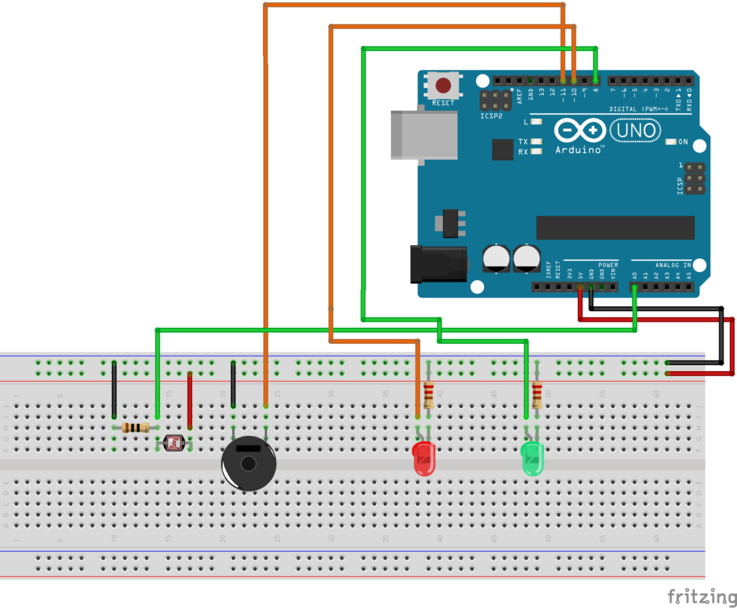
1) Light-Sensing Night Light (Photoresistor Project)
What you build: An LED that turns on automatically when it gets dark.
Why it’s powerful: Introduces sensors and condition-based behavior.
What you’ll learn:
- How sensors change resistance
- Voltage divider basics
- Adjusting sensitivity
Parts needed: Photoresistor (LDR), LED, resistors, breadboard.
Level up: Tune the circuit to respond at different light levels.
2) Battery Strength Tester
What you build: A simple indicator that shows battery health.
Why it’s useful: Teaches why power quality matters.
What you’ll learn:
- Voltage awareness
- Load effects
- Why “dead” batteries cause weird behavior
Parts needed: LEDs, resistors, battery holder.
Level up: Compare alkaline vs rechargeable batteries.
3) Mini Motor Spinner or Fan
What you build: A motor that spins when powered.
Why it’s eye-opening: Motors behave very differently from LEDs.
What you’ll learn:
- Current spikes
- Voltage sag
- Why some batteries fail under load
Parts needed: DC motor, battery pack, switch.
Level up: Add a transistor or speed control.
4) Reaction Timer Game
What you build: Press a button when an LED lights up.
Why it’s engaging: Combines timing, inputs, and outputs.
What you’ll learn:
- Signal timing
- Human response measurement
- Circuit reliability
Parts needed: LEDs, buttons, resistors, optional timer module.
Level up: Add a buzzer or second player input.
5) First Soldered Project (Confidence Builder)
What you build: A small soldered kit like a blinking LED.
Why it’s important: Turns temporary builds into durable projects.
Before starting, review:
https://stampsinclass.com/safe-soldering-basics-for-kids-and-beginners/
What you’ll learn:
- Component identification
- Solid electrical connections
- Board layout understanding
Level up: Build a second kit faster and cleaner.
How These Projects Level You Up
These beginner electronics projects help bridge the gap between:
- following instructions
- and understanding behavior
You’ll start predicting outcomes:
- “That motor will need more current.”
- “This sensor needs a threshold.”
- “That battery won’t last long.”
That’s real electronics thinking.