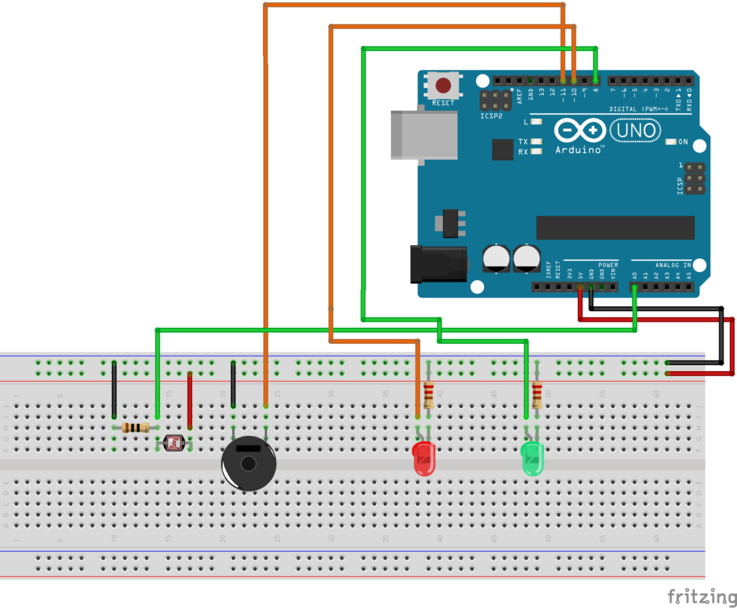
Once you’re comfortable with LEDs, switches, and basic circuits, electronics starts to feel less like wiring—and more like problem solving. The projects in this second part introduce sensors, motors, and real-world behavior, helping beginners understand how electronics reacts to the environment. These builds still use simple parts, but they add Continue Reading
Top Beginner Electronics Projects to Build This Spring: Simple Circuits That Teach the Basics
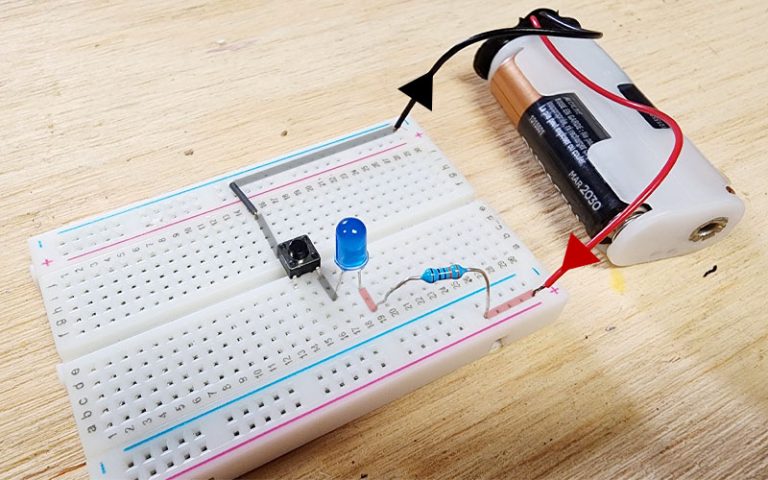
Spring is the ideal time to start learning electronics. With longer days and fresh energy, it’s a great season to build confidence with hands-on projects that actually work. If you’re just starting out, the key is choosing projects that teach fundamentals without overwhelming you. This first set of beginner electronics Continue Reading
All About Resistors: What They Do and How to Use Them

Resistors are one of the most common parts in any electronics kit—and one of the easiest to misunderstand at first. They look small and simple, but they’re doing important work behind the scenes: protecting components, shaping signals, setting brightness, and helping circuits behave predictably. If you’ve ever built an LED Continue Reading
Meet the Parts: Resistors, Wires, and Other Basic Electronics Components

If you’re new to electronics, a parts kit can look like a tiny pile of mysteries: colorful bands on little cylinders, shiny metal legs, wires that all look the same, and boards full of holes. The good news is that most beginner projects use a small “starter team” of components—and Continue Reading
How Batteries Work (and Why They Matter in Electronics Kits)
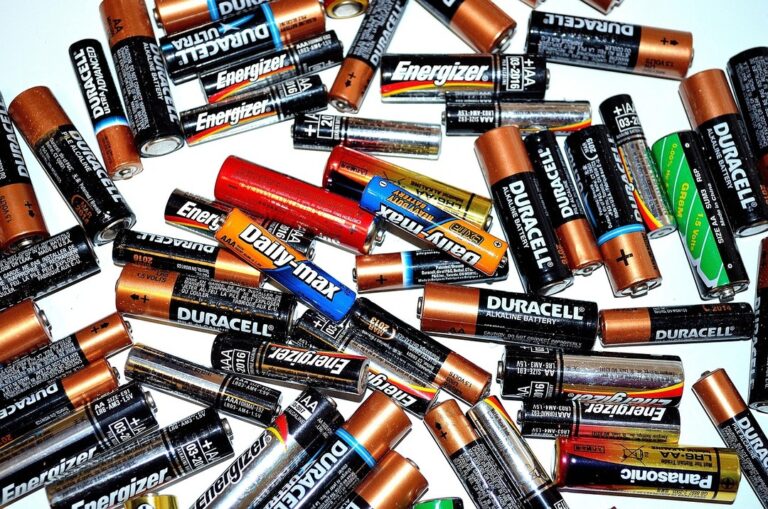
If you’ve ever built a simple breadboard project—an LED flasher, a buzzer alarm, or a small motor spinner—you’ve used a battery as the “heart” of the circuit. Batteries seem simple: put them in, and the project turns on. But batteries are actually little chemical power plants, and understanding how they Continue Reading
Your First Breadboard Project: Build a Simple LED Circuit
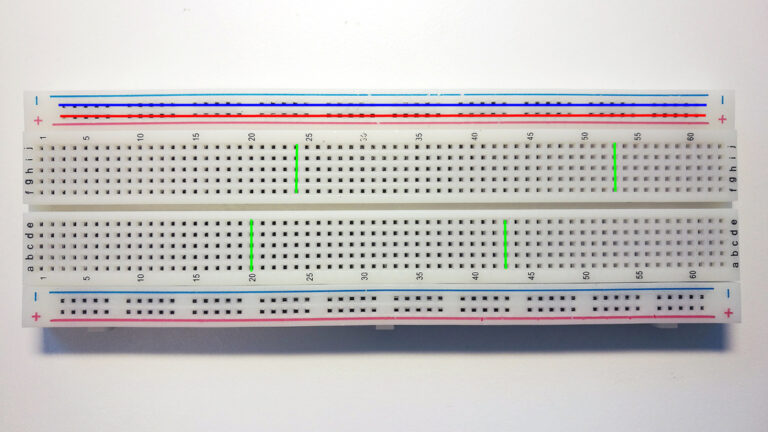
Lesson Overview A breadboard is one of the most important tools in electronics—and the best place to start building real circuits without soldering. In this lesson, students will use a breadboard to create their first breadboard project: lighting up an LED using a battery, a resistor, and jumper wires. This Continue Reading
Make a Light Turn On: Your First Circuit Project for kids

Make a Light Turn On: Your First Circuit Project for kids Goal: Build a simple circuit that turns on a light using a battery, wires, and a small bulb or LED. Best for: Ages 7–12 (with adult help for younger kids) Time: 30–45 minutes Big idea: A light turns on Continue Reading
What Is a Circuit Board? An Easy Introduction for Young Builders
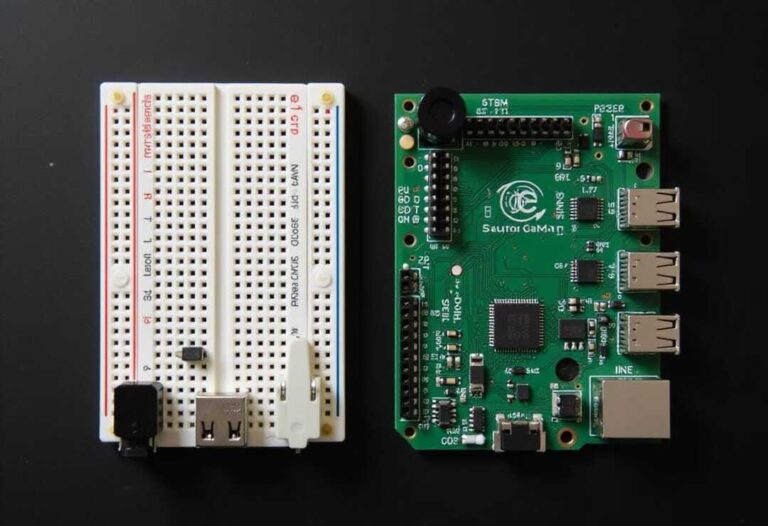
If you’ve ever opened a toy, a game controller, or a small robot kit, you may have seen a flat green board covered with tiny parts and shiny lines. That board is called a circuit board, and it’s one of the most important building blocks in electronics. For young builders, Continue Reading
Safe Soldering Basics for Kids and Beginners

Soldering is one of those skills that feels like a secret superpower. You take a few small parts, add a tiny bit of melted metal, and suddenly your project works for real. But soldering also comes with one big rule: safety first, always. The iron is hot enough to burn Continue Reading
Understanding Circuits: How Power Flows in Simple Electronics Projects
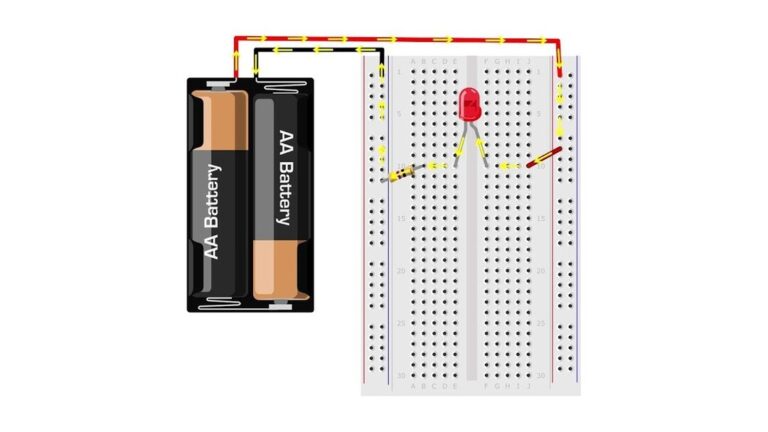
If you’ve ever snapped together a battery pack and watched an LED light up, you’ve already built a circuit. A circuit is simply a complete loop that lets electrical energy move from a power source, through components that do something useful, and back to the source again. When the loop Continue Reading