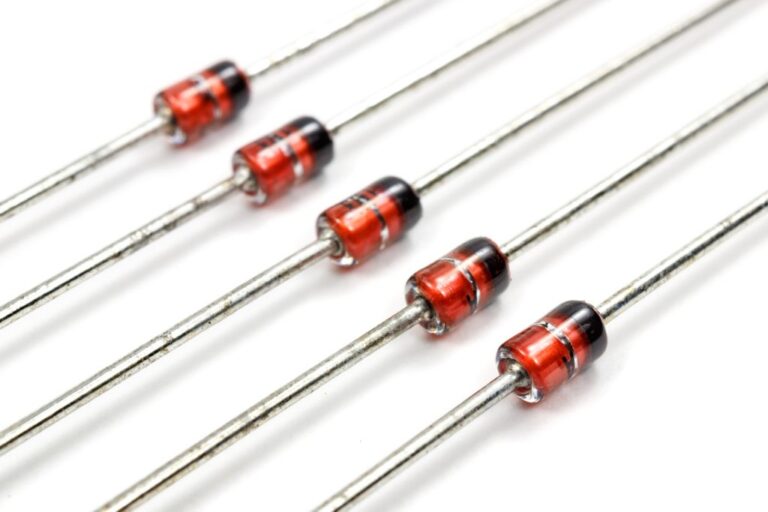
By Cory Ferguson If you’ve ever wondered how an LED “knows” which way to go in a circuit—or why some projects mysteriously stop working when a part is flipped—there’s a good chance a diode is involved. A diode is one of the simplest and most useful parts in electronics. At Continue Reading
How to Choose the Right Power Supply for Your Projects
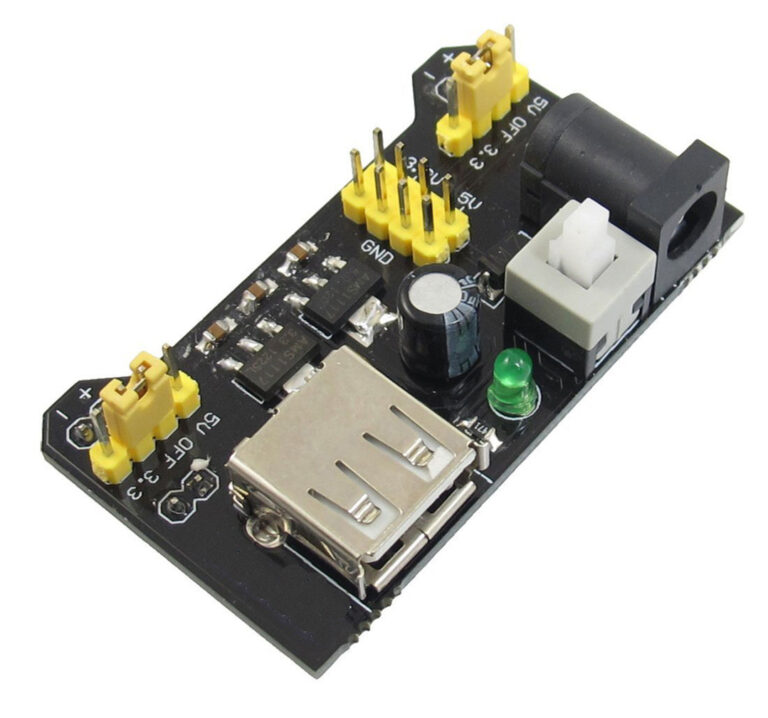
When you build beginner-friendly circuits—LED blinkers, small motors, buzzers, microcontroller kits, or breadboard experiments—your power choice matters as much as your wiring. The right power supply keeps parts safe, makes your project reliable, and prevents the “Why is nothing working?” frustration that usually comes from low voltage, weak current, or Continue Reading
Motors Basics: How Motion Is Created in Electronics
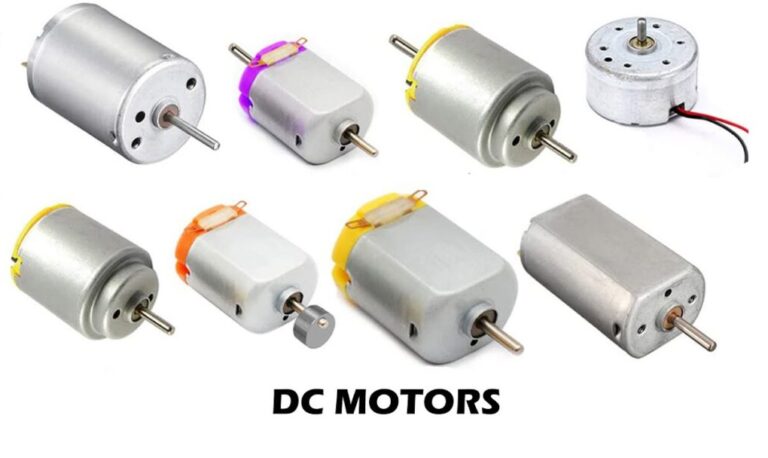
Motors are the moment when electronics starts to feel like magic—and understanding motor basics is where that magic begins. LEDs blink and buzzers beep, but a motor takes invisible electricity and turns it into real motion you can see and feel—wheels spinning, fans blowing, and little robots scooting across the Continue Reading
Switches and Buttons: How User Input Works in Circuits
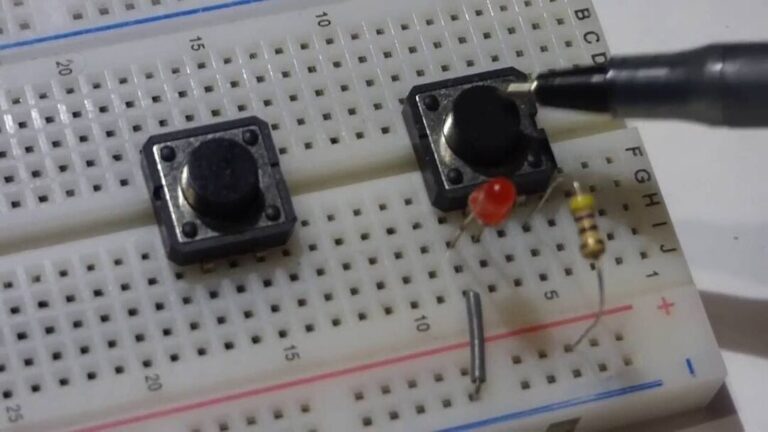
Switches and buttons are the simplest way to let a person control an electronic circuit. Flip a switch and a light turns on. Press a button and a buzzer chirps. Under the hood, what’s really happening is straightforward: you’re opening or closing a path for electricity—and that single change can Continue Reading
What Is a Capacitor? Basics Explained for Beginners
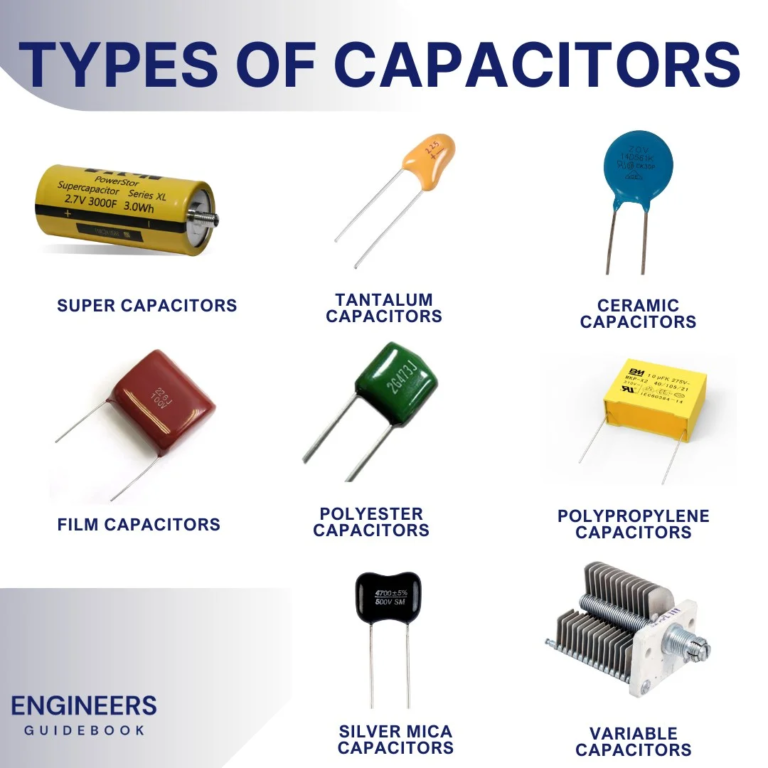
If you’re learning electronics, you’ll quickly notice that capacitors show up everywhere—on circuit boards, inside motors, next to sensors, and in power supplies. At first, they look like tiny cans or little colored disks. But they do an important job: they store and release electrical energy in a controlled way. Continue Reading
Your First Soldering Project Guide: A Beginner-Friendly Step-by-Step Build
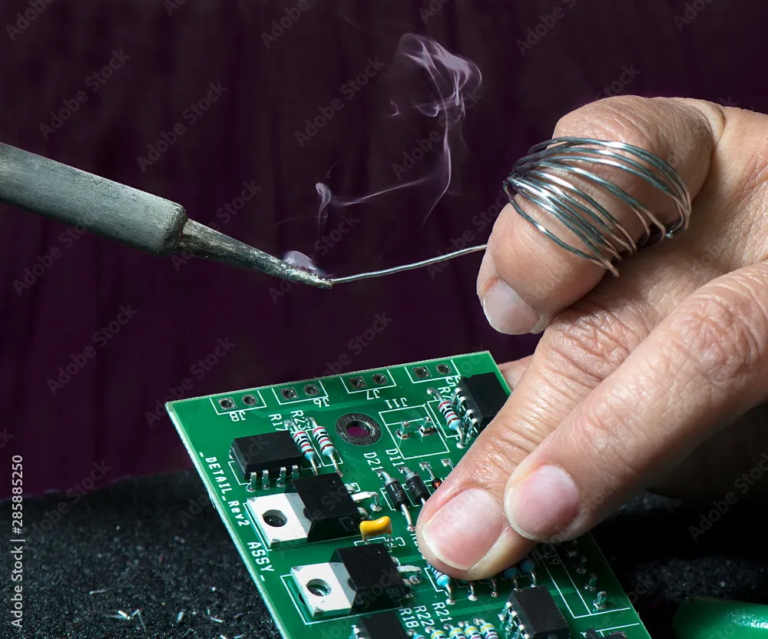
If you’ve never soldered before, the first time you pick up a hot iron can feel… intense. The good news is you don’t need a fancy bench setup or years of experience to get a clean, working solder joint. You just need a simple solder project, a safe workspace, and Continue Reading
Wire Connectivity Basics: Understanding Wires, Connections, and Safe Electronics Builds
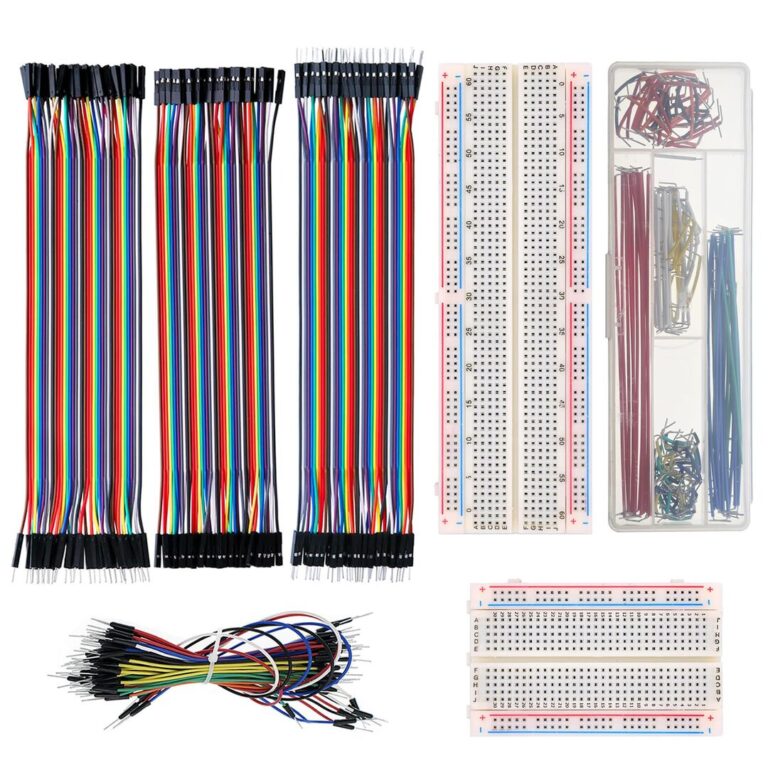
Wires are the “roads” that let electricity move between parts. If your project has ever worked one minute and failed the next, there’s a good chance the problem wasn’t the resistor, LED, or sensor—it was the connection. In this guide to wire connectivity basics, you’ll learn the most common wire Continue Reading
LED Basics Explained: Light Emitting Diodes for Beginners

LEDs are everywhere—on robots, circuit kits, control panels, and just about every modern electronic device. For beginners, they’re also one of the most rewarding parts to learn with because they give instant visual feedback. In this guide to LED basics, we’ll break down how light emitting diodes work, why direction Continue Reading
What Is an Infrared Proximity Sensor and How It Works

Infrared (IR) proximity sensors are one of the most useful “first sensors” in electronics. They can detect when something is nearby—without touching it—making them perfect for beginner projects like obstacle-avoiding robots, automatic night lights, touchless switches, and simple counters. If you’ve ever seen a little module with two “eyes” on Continue Reading
Understanding Voltage, Current, and Resistance

If you’re just getting started with electronics, you’ll hear three words over and over: voltage, current, and resistance. They show up in every kit, every diagram, and every “why isn’t this working?” moment. The good news: you don’t need to be a math person to understand them. Think of these Continue Reading