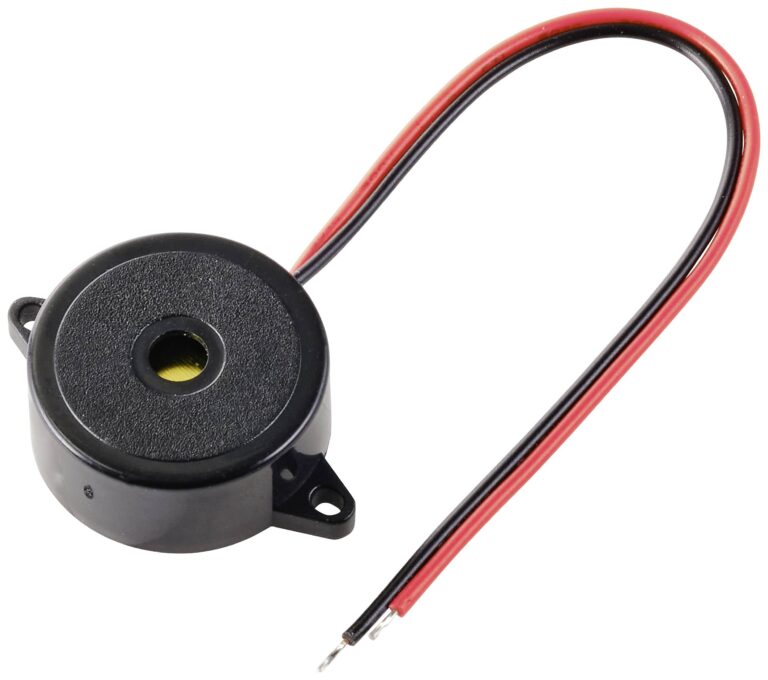
A buzzer alarm is one of the best beginner electronics projects because it turns a basic circuit into something interactive right away. Instead of just lighting an LED, you create a circuit that responds with sound, which makes it easier to understand how switches, power, and outputs work together in Continue Reading
Beginner Electronics Kits and What to Get Next

A good beginner electronics kit does more than give you parts. It gives you a sequence. That matters because most people do not get stuck in electronics because they lack curiosity. They get stuck because they buy a random pile of components with no path, no project order, and no Continue Reading
Safe Electronics Practices for Kids and Beginners

Electronics is one of the best “learn-by-doing” hobbies because progress is visible: an LED lights up, a buzzer chirps, a motor spins. But the same thing that makes electronics exciting—real energy flowing through real parts—also means you need a few safety habits from day one. The good news is that Continue Reading
Breadboard vs Soldered Circuit: What To Use And When
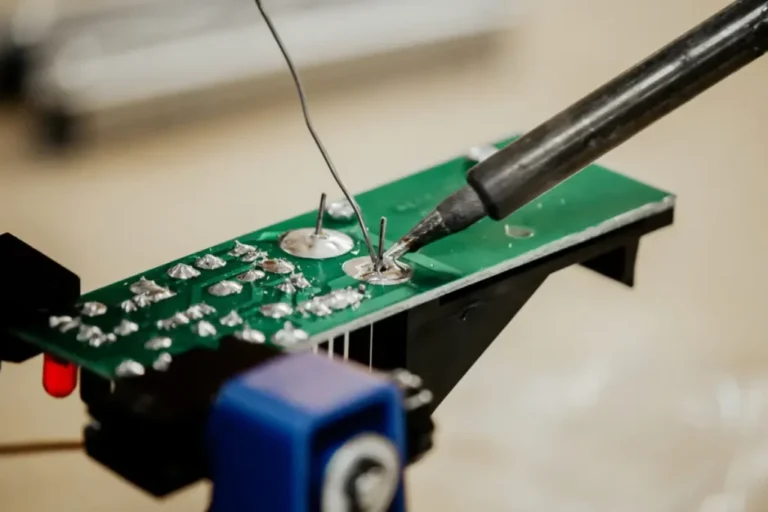
If you’re building electronics as a beginner (or even as a hobbyist who’s shipping “real” projects), the decision between a breadboard and a soldered circuit isn’t about which one is “better.” It’s about what stage your project is in, what risks you can tolerate, and what kind of performance you Continue Reading
Buzzers, Speakers, and Sound Output Explained
Buzzers and speakers both create sound, but they work in very different ways. Understanding buzzer speaker basics helps you choose the right part for your project and wire it safely without damaging your circuit. If you need a refresher on how electricity flows, review Circuit Basics. When you’re ready to Continue Reading
Learn Multimeters with a Simple Project: Testing Batteries and LEDs
Multimeters are one of the most useful tools you can add to your electronics toolkit. They help you measure voltage, current, and resistance so you can troubleshoot circuits, check components, and build confidence in your skills. If you’re just starting out, though, a multimeter can feel a bit intimidating — Continue Reading
Using Multimeters: Measuring Voltage, Current, and Resistance

A multimeter is the single most useful tool for beginner electronics. It turns “I think this circuit should work” into “I know what’s happening.” With a few simple settings, you can measure: In this guide, you’ll learn how to safely measure voltage, current, and resistance with step-by-step examples, common mistakes Continue Reading
Series vs Parallel Circuits for Beginners
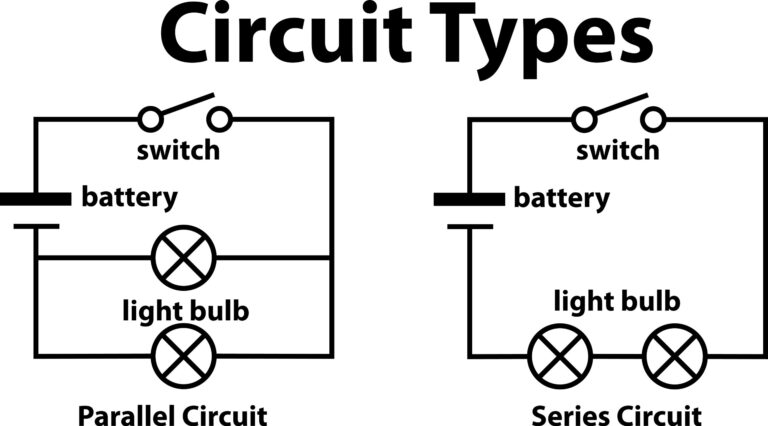
If you’re just getting into electronics, one of the first “big ideas” you’ll run into is that circuits can be wired in series or parallel. The difference isn’t just a vocabulary quiz—it changes how voltage, current, and brightness/power behave, and it affects whether one broken part shuts everything down. Let’s Continue Reading
Why Every Beginner Electronics Student Should Care About Cybersecurity
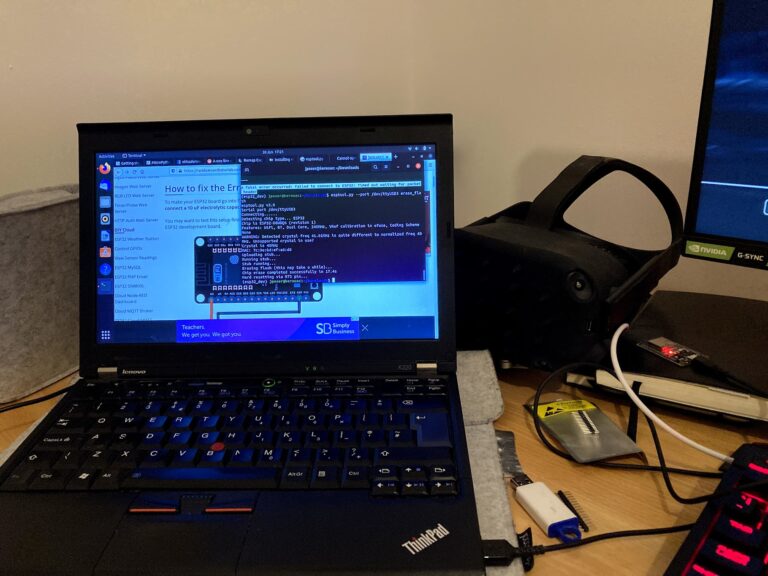
If you are learning electronics, you are not just building circuits. You are building connected systems. From Arduino boards and Raspberry Pi projects to Wi-Fi-enabled sensors and smart home prototypes, today’s beginner electronics projects are often connected to the internet. That connection opens exciting possibilities—but it also introduces real security Continue Reading
Lesson Plan: How to Read a Simple Circuit Diagram

Subject: Simple Circuit DiagramDuration: 45–60 minutesPrerequisites: NoneLevel: Beginner Learning Objectives By the end of this lesson, students will be able to: Why Circuit Diagrams Matter Circuit diagrams (also called schematics) are like maps. Instead of showing what components look like, they show how components are connected. Engineers and hobbyists use Continue Reading