
When young builders start working with hardware, they shift from using technology to creating it. Snapping plastic blocks together is fun. Making those blocks move with real electricity requires a new set of abilities. Learning a few core electronics skills transforms a confusing pile of wires into a working machine. Continue Reading
How an AM Radio Works: A Beginner Electronics Guide
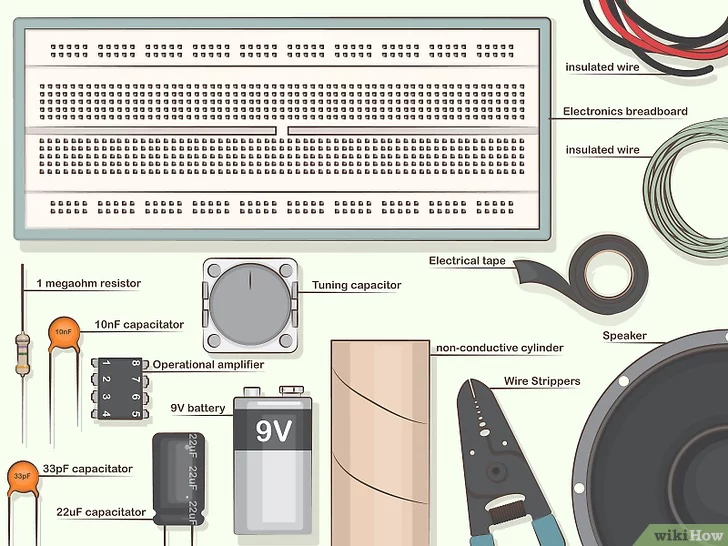
Building an AM radio is a classic beginner project that feels like magic. You pull invisible signals out of thin air and turn them into voices and music. AM stands for Amplitude Modulation. This old technology provides one of the clearest ways to learn how electricity carries information across long Continue Reading
A Practical Mouse Jiggler Lesson Plan for Beginners
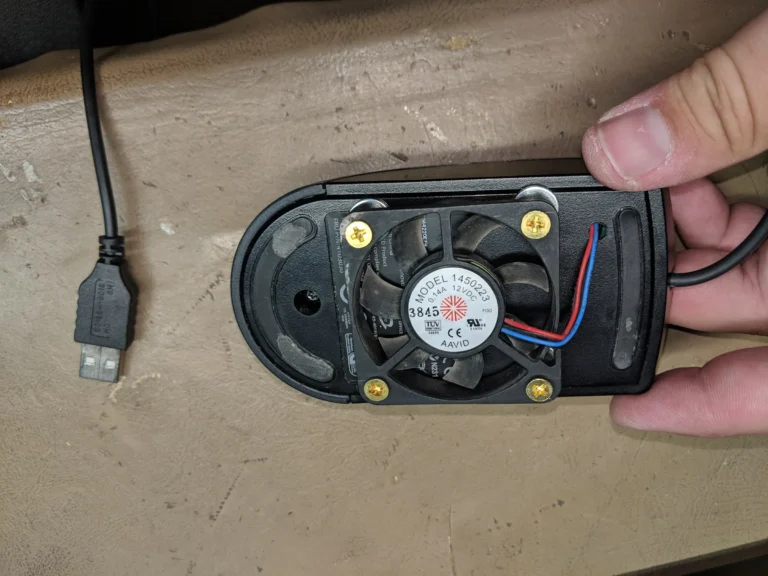
Teaching students how to write code often lacks a direct, physical connection. A mouse jiggler lesson plan fixes this problem by bridging the gap between a physical breadboard and a computer screen. A hardware mouse jiggler is a small USB device that sends tiny, automated movement signals to a computer, Continue Reading
What Is a Circuit Board? An Easy Introduction for Young Builders
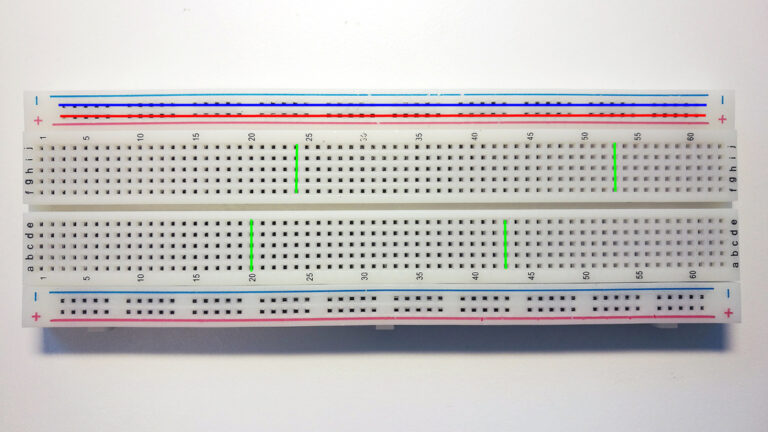
You open up any electronic toy, and you see a flat green square covered in silver dots. This is a printed circuit board. Building your first circuit board moves your skills past temporary breadboards into creating permanent, durable hardware. A circuit board simply organizes electricity. It provides a solid foundation Continue Reading
Where to Buy Beginner Electronics Kits and Local Parts

Knowing where to find reliable components makes starting your electronics hobby much easier. You face a choice between massive online marketplaces, specialized hardware retailers, and local supply shops. Buying random parts from unverified sellers often leads to dead batteries, burnt LEDs, or missing instructions. You need a trusted source that Continue Reading
Beginner Electronics Actuator Lesson Plan
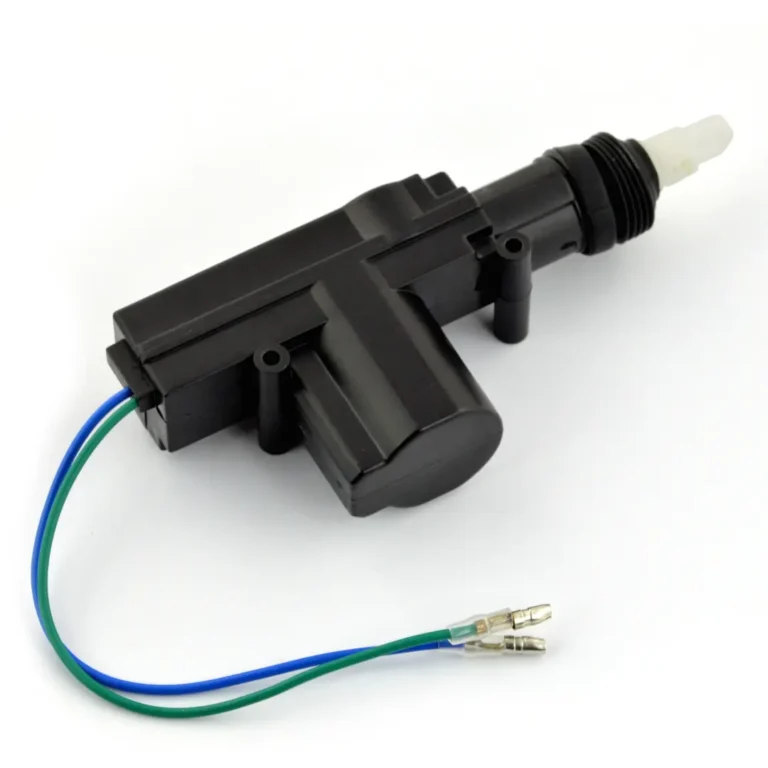
Teaching electronics starts by making invisible concepts visible. A strong actuator lesson plan bridges the gap between raw voltage and physical action. You show learners exactly how an electrical signal leaves a microcontroller and does real work on the desk. You stop talking about abstract current flow and start making Continue Reading
Buying and Using 3D Printer Kits Basics

Making your first LED blink feels rewarding. Eventually, you want to put your finished circuit inside a physical case. A 3D printer turns spools of raw plastic into solid objects right on your desk. Buying and using 3D printer kits basics begins with seeing these machines as large electronic projects. Continue Reading
Understanding Circuits: How Power Flows in Simple Electronics Projects
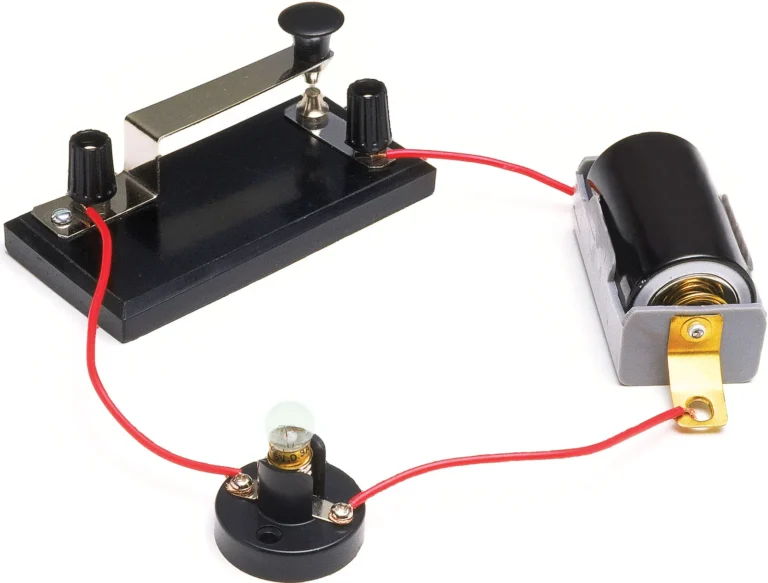
Electronics often look complicated from the outside. Wires cross over each other, lights flash, and sensors react to the room. Complex Circuits can be broken down into simple concepts. A circuit is just a closed loop. Electricity leaves a power source, travels through a path, does some work, and returns Continue Reading
Building Your First Small Robots at Home

Making an LED blink feels rewarding. Making a physical object drive across your desk completely changes the learning experience. Transitioning from stationary circuits to your first small robots requires a few new components and a slight shift in thinking about electricity. You trade light bulbs and buzzers for wheels and Continue Reading
Essential Tools for a Beginner Electronics Workbench

Setting up a space to build circuits requires a few focused items. Buying random parts often leads to frustration. A clear desk and the right gear keep your projects moving forward smoothly. You do not need expensive machines right away. A simple, well-stocked beginner electronics area makes learning much faster. Continue Reading