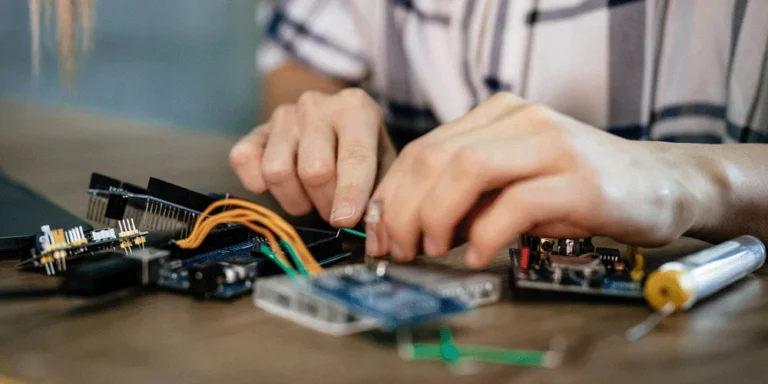
Many people look at a green circuit board and see an impossible puzzle. You might think you need a formal degree to build a working device. The truth is much more direct. Learning electronics starts by breaking large ideas down into small, repeatable steps right on your desk. You skip Continue Reading
Create a Simple Sound Level Indicator

One of the most rewarding moments in beginner electronics is building a circuit that reacts to you in real-time. While pushbuttons and switches are great for learning the basics of cause and effect, sensors allow your projects to listen to their environment. When you create a simple sound level indicator, Continue Reading
Analog vs Digital Signals Explained Simply
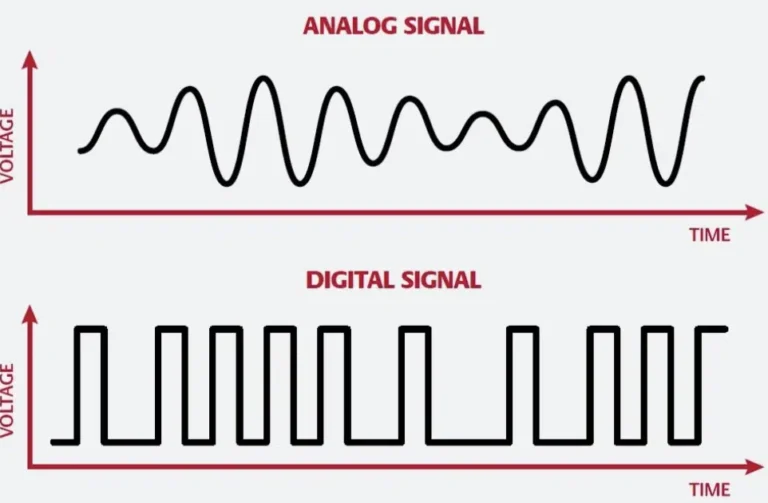
When you first begin exploring electronics, electricity feels like a simple force that powers your components. You plug in a battery, and an LED lights up or a motor spins. But as your projects advance, you quickly realize that electricity does more than just provide power. It carries information. To Continue Reading
How to Troubleshoot a Circuit Step by Step
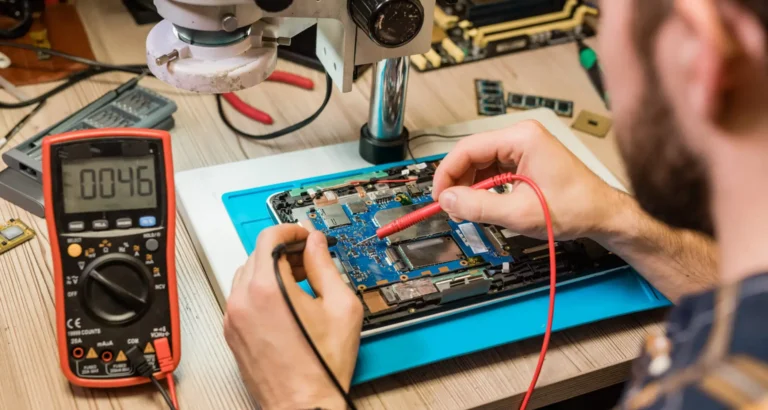
Building an electronics project is only the first half of the learning process. The second half, and often the most valuable part, happens when the circuit does not work on the first try. Knowing how to troubleshoot a circuit step by step transforms a frustrating moment into a clear, logical Continue Reading
What Is a Microcontroller and How Does It Work?
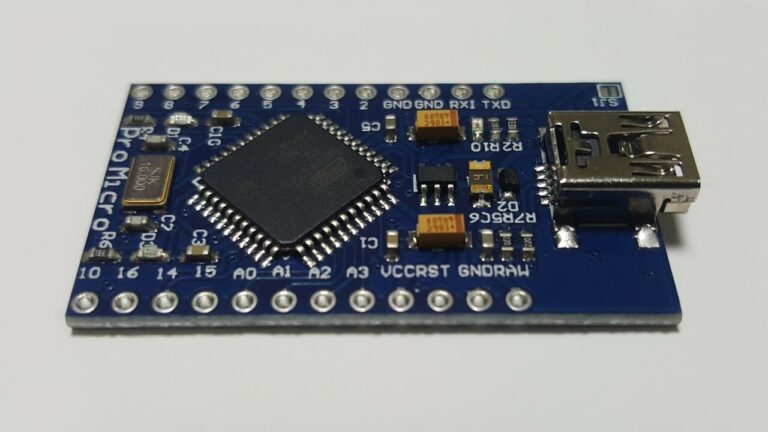
An introduction to using a microcontroller marks the exact moment your electronics journey shifts from building simple reactions to designing smart behaviors. When you first start learning electronics, you rely on physical components to make decisions. A switch completes a circuit, or a sensor triggers a direct voltage change. But Continue Reading
What Is Ground in Electronics? Beginner Guide to Circuit Ground
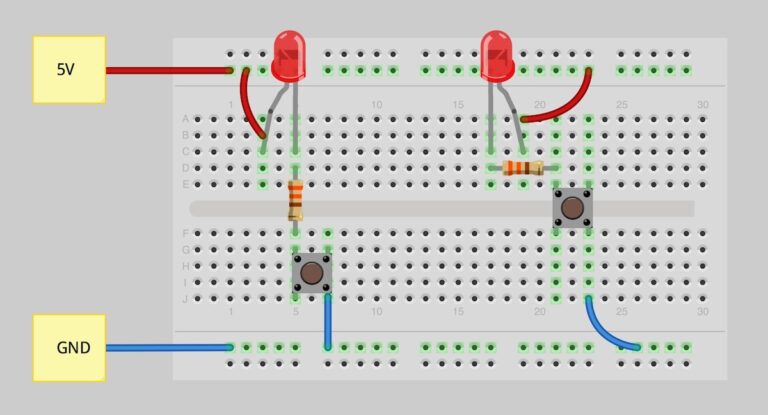
Ground in electronics is the reference point that helps a circuit make sense. In most beginner projects, ground is the point labeled 0 volts, and every other voltage in the circuit is measured relative to it. That does not always mean it is literally connected to the earth. In many Continue Reading
What Is Ohm’s Law and Why It Matters in Every Circuit
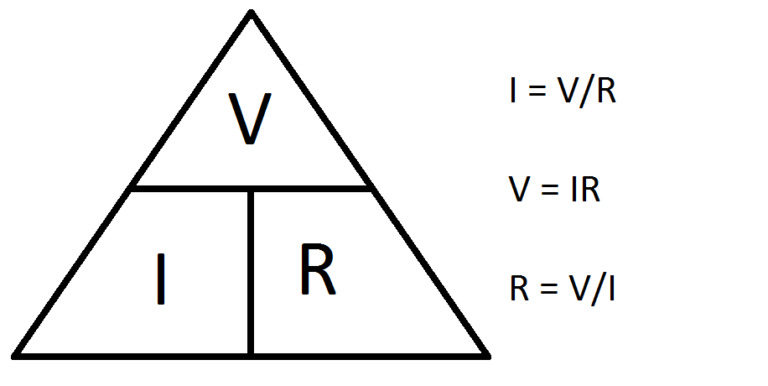
What Is Ohm’s Law? Ohm’s Law is one of the first ideas every electronics beginner should understand because it explains the relationship between voltage, current, and resistance in a circuit. In its most common form, the equation is V = I × R, which means voltage equals current multiplied by Continue Reading
Build a Temperature Monitor With a Basic Sensor

A temperature monitor is one of the best beginner electronics projects because it takes a measurement you already understand from daily life and turns it into something you can build on a breadboard. Instead of only creating light or sound, you create a circuit that responds to a changing condition Continue Reading
The Complete Beginner Electronics Learning Path
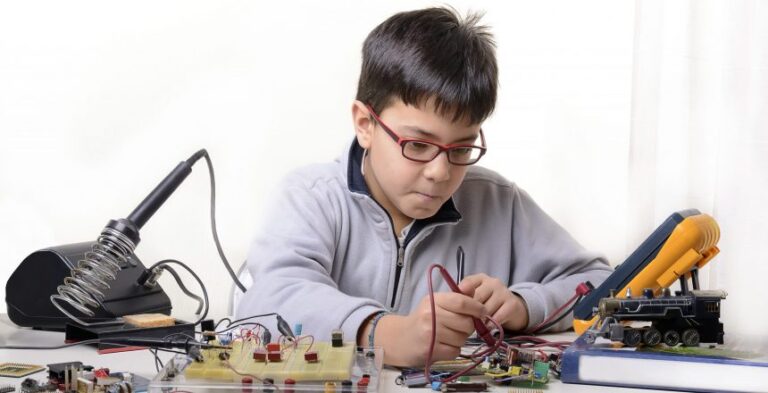
One of the hardest parts of electronics learning is not the parts themselves. It is the order. Beginners rarely struggle because a resistor is too complicated or a breadboard is too advanced. They struggle because they are introduced to too many things at once, with no clear sense of what Continue Reading
Make a Motion Detector With a PIR Sensor
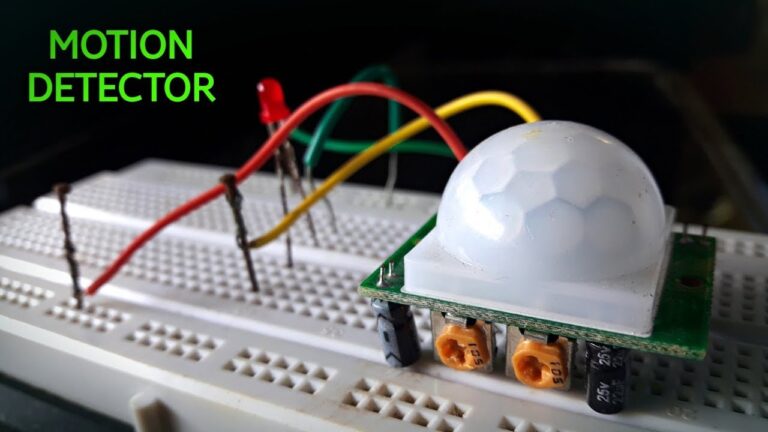
A PIR motion detector is one of the most useful beginner electronics projects because it takes a real-world sensing task and reduces it to a simple idea: when movement is detected, the circuit changes state. PIR stands for passive infrared, and these sensors are designed to detect changes in infrared Continue Reading